
Windows Appleton, WI
Energy-efficient window replacement in Appleton designed for Wisconsin winters.
Local Window Expertise
In Appleton, Wisconsin, energy-efficient windows protect your home from harsh winters and costly heating bills. Our carpentry team installs replacement windows designed for extreme cold and freeze-thaw cycles. We handle every detail—from measurements to sealing—so your home stays warm and efficient all season.
How We Work
Our window replacement process starts with a thorough inspection and ends with a properly sealed install. You'll know exactly what to expect at every stage.
Assessment & Planning
We visit your Appleton home to assess current windows, check for drafts, and identify energy loss. Our team measures opening sizes and evaluates your home's insulation needs based on Wisconsin's climate demands.
This step reveals which windows perform worst and where replacement makes the biggest impact. We also check for moisture damage, warping, or seal failures common in older frames exposed to our freeze-thaw cycles.
Material & Style Selection
We recommend windows engineered for Wisconsin winters: vinyl or fiberglass frames resist warping, double- or triple-pane glass with low-E coatings blocks heat transfer, and insulating gas fills improve thermal performance.
Your home's style matters too. Whether your North Appleton ranch needs classic double-hung windows or a modern home in downtown Appleton calls for sliders, we match function with your home's character. Every option we offer meets or exceeds Wisconsin building codes for cold-climate durability.
Professional Installation & Sealing
Our carpenters remove old windows carefully, prepare frames, and install replacements with proper flashing and sealant. Correct installation prevents drafts and air leaks that compromise any quality window.
We seal every gap and verify each window operates smoothly. A well-sealed window keeps Appleton's harsh winter air outside and warm air inside—which is where energy savings truly happen.
Inspect & Measure
We evaluate drafts, gaps, and energy loss in your current windows.
Recommend Materials
We match windows to Wisconsin climate demands and your home's style.
Install & Seal
Our carpenters remove old frames, install new windows, and seal every gap.
Test & Verify
We confirm smooth operation and proper sealing on every installed window.
You'll always know what's happening next—and when.
Our Services
Window replacement is our core expertise, backed by 10 years of residential carpentry and custom finish work.
Full Window Replacement
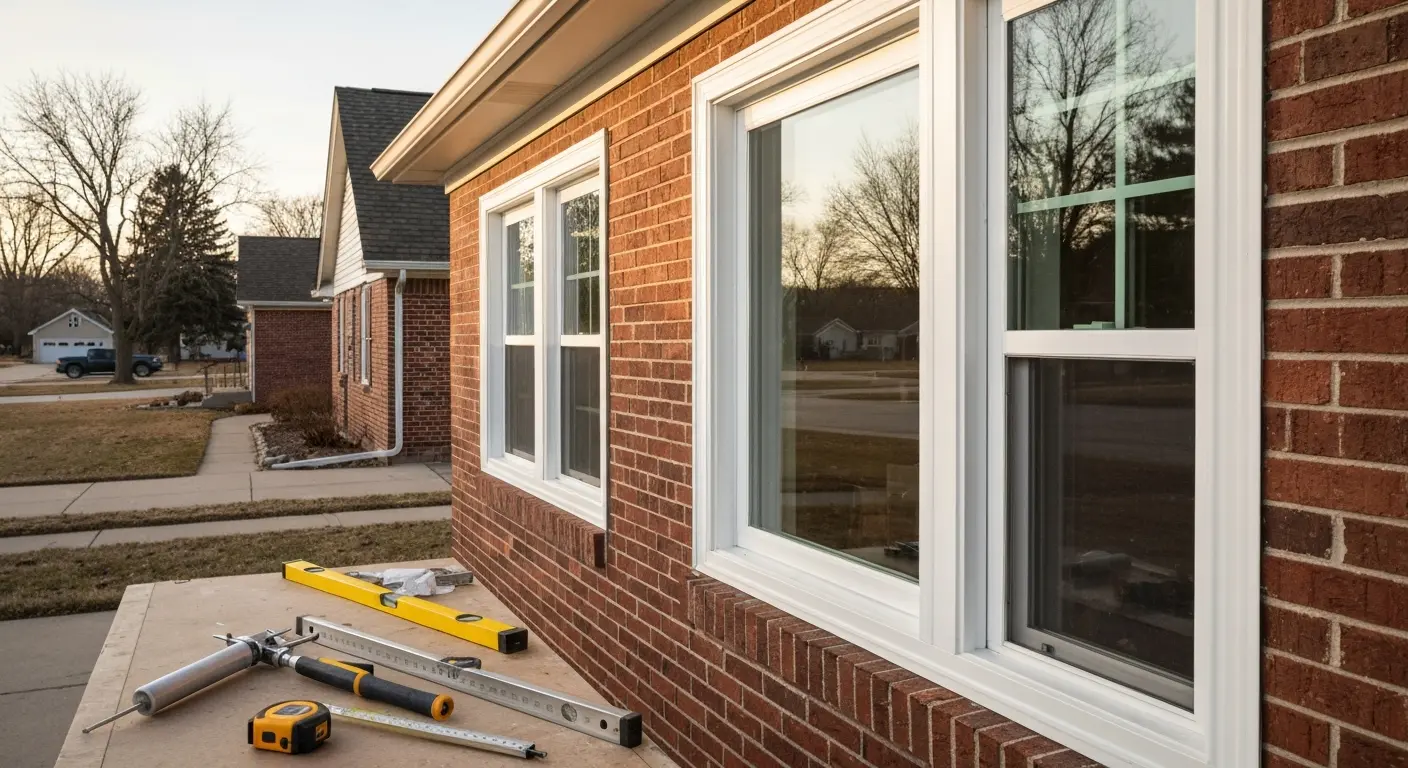
Full window replacement in North Appleton residential home with vinyl frames.
We remove old frames and install new windows with proper flashing, sealing, and insulation. This is the most effective way to eliminate drafts and improve energy efficiency in older Appleton homes.
Whether your home is in downtown Appleton's historic district or a newer build in the Apple Creek area, we size and seal windows to handle Wisconsin's temperature extremes. Vinyl and fiberglass frames resist warping and moisture damage far better than deteriorated wood.
Double-Hung & Slider Windows
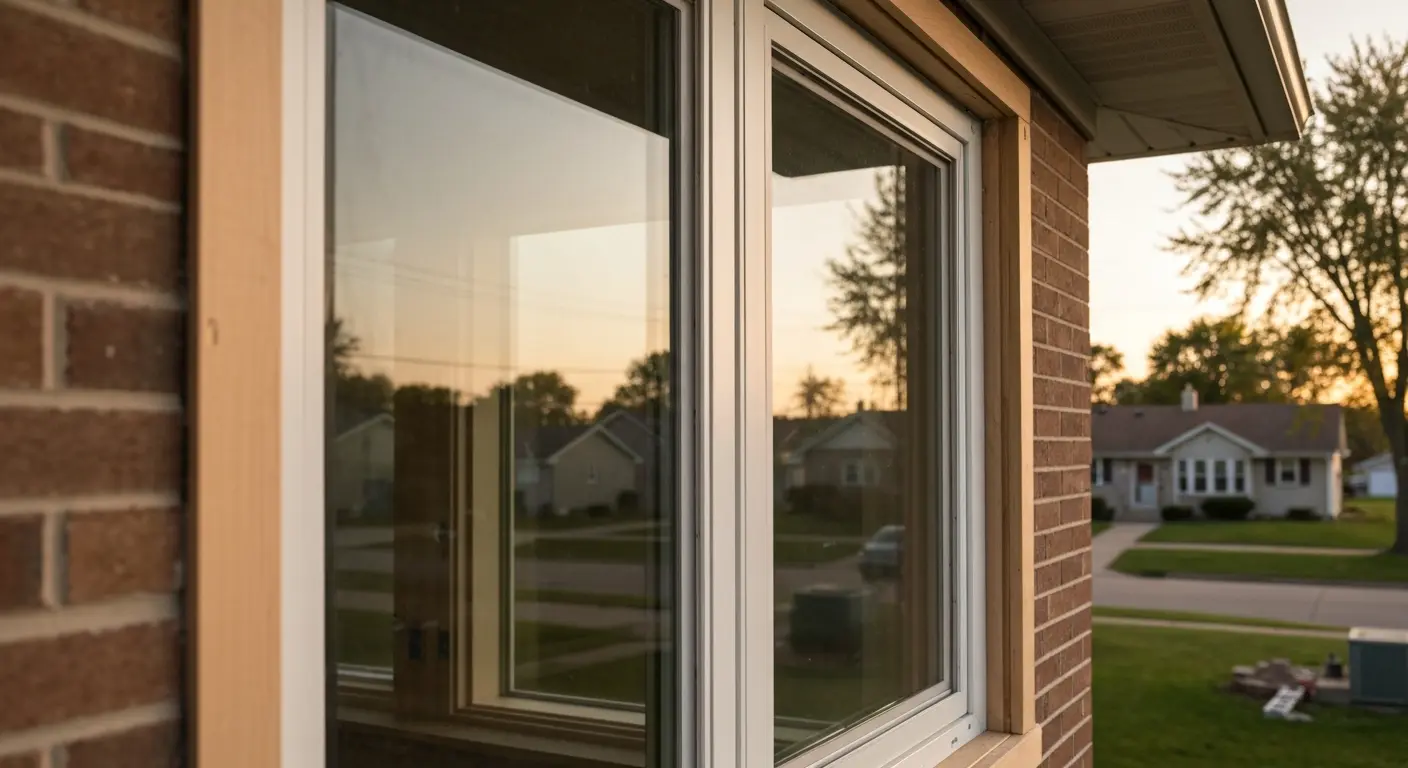
Double-hung windows installed in West Appleton home, offering classic style and tight seals.
Double-hung windows seal better in cold climates and operate smoothly for years. Sliders offer easier operation and lower cost, though they sometimes freeze in hard winters unless properly sealed.
We recommend double-hung for homes facing north winds common in Appleton's Fox Valley location. Both styles come with tilt-in or removable sashes for easy cleaning, a real advantage for multi-story homes near Memorial Park or Plamann Park areas.
Storm Doors & Patio Doors
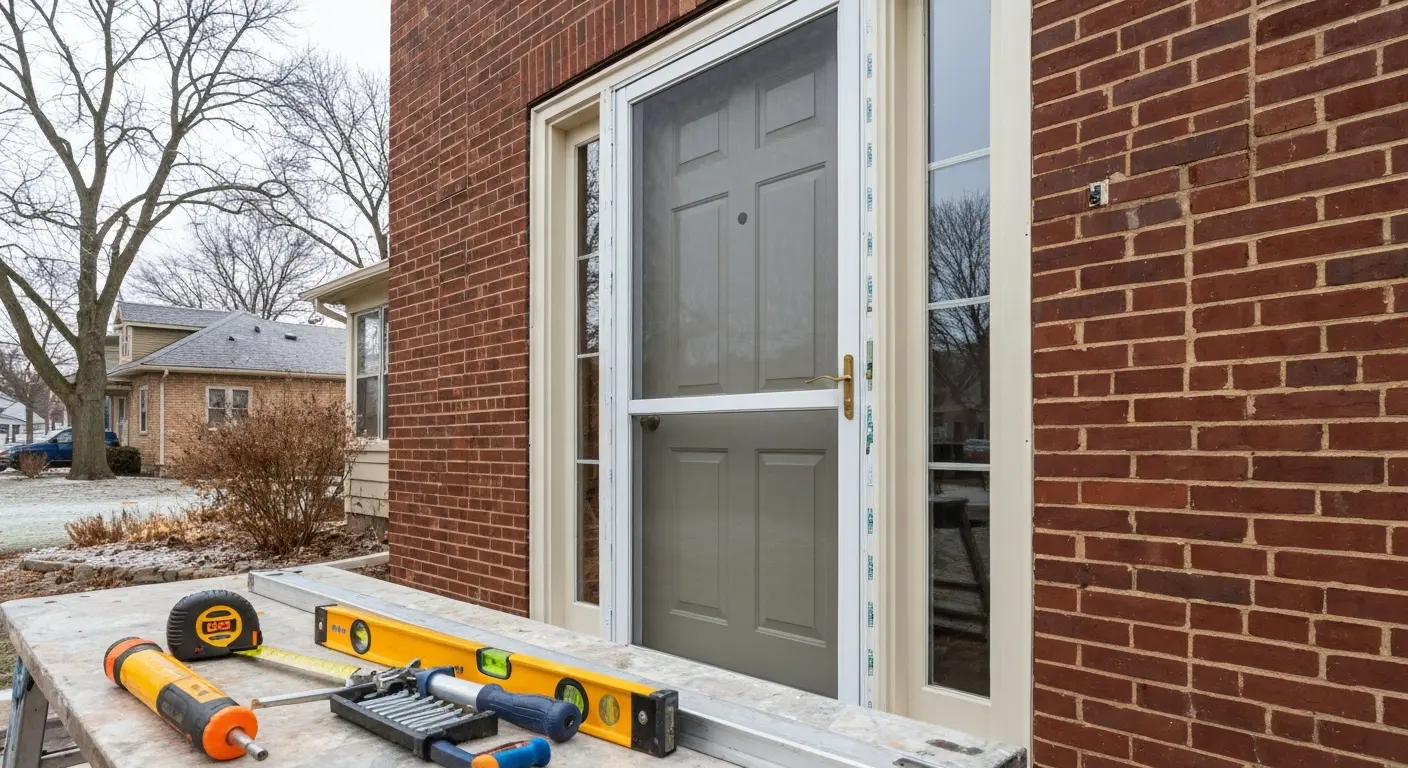
Storm door installation in downtown Appleton, adding winter protection and energy efficiency.
Storm doors add an extra insulation layer and shield entry doors from Wisconsin's harsh winters. Patio doors need heavy-duty sealing to prevent infiltration—our team installs them with thermal breaks and weather stripping that stand up to freeze-thaw cycles.
Both storm and patio doors are carpentry details we handle with the same precision as full window replacement. Homes in South Appleton with large glass expanses benefit most from these additions, which improve both comfort and appearance.
Why It Matters
Wisconsin winters test every part of your home. Old windows fail silently, wasting heat and money each month.
Energy Loss & Comfort Problems
Over time, seals weaken and frames expand and contract with temperature swings, allowing cold air in and warm air out. In Appleton, where January temperatures drop well below freezing, old single- or early double-pane windows force your furnace to work overtime.
You'll notice cold spots near windows, drafts along sills, and heating bills that climb every year. Homes in North Appleton's newer subdivisions often feature single-pane construction from decades past—these absorb and lose heat rapidly in our harsh climate.
In most Midwest homes, energy-efficient replacements can lower heating and cooling bills by 10–20% annually, depending on the age of your old windows, house size, and insulation levels.
Moisture, Rot, & Structural Damage
Midwest springs bring strong winds, heavy rain, and sudden temperature shifts. Older wood frames can swell with moisture, leading to rot, sticking windows, and compromised seals. In Appleton's historic neighborhoods near City Park and Prospect Avenue, wood-frame windows from the 1980s and earlier are extremely vulnerable.
Wisconsin's freeze-thaw cycles cause expansion and contraction. Fiberglass and high-quality vinyl frames perform particularly well in these conditions. Replacing wood windows now prevents costly structural repair work down the road.
Home Value & Curb Appeal
New windows signal to buyers that your Appleton home has been well maintained. Clear glass, tight seals, and modern frames instantly improve appearance inside and out. This is especially true in competitive neighborhoods where first impressions matter.
Whether you're selling a historic home in downtown Appleton or a suburban ranch in Apple Creek, new windows boost perceived value. They also improve actual resale value by demonstrating energy efficiency and eliminating buyer concerns about drafts or future repair costs.
Serving Appleton, Wisconsin
We've installed windows throughout Appleton and the Fox Valley for over 10 years.
Local Experience Across Appleton Neighborhoods
From North Appleton's family-friendly subdivisions near Highview Park to historic homes on Prospect Avenue, we understand your neighborhood's unique building styles and weather challenges. East Appleton homes feature different window configurations than west-side properties—we adjust our approach accordingly.
Homes in downtown Appleton near College Avenue may have older, more delicate frames. Suburban properties in Apple Creek often need larger glass areas for natural light, requiring special attention to thermal performance. We've completed projects in Southwest Appleton's river-view homes, Apple Hills' estates, and compact downtown condos—each with distinct window needs.
Wisconsin's unpredictable weather requires windows engineered specifically for the region. We select materials and styles proven to handle Appleton's cold winters and seasonal humidity shifts.
What to Know About Window Replacement
Here are answers to common questions from Appleton homeowners.
What type of windows work best for Wisconsin winters?
Vinyl and fiberglass are excellent choices as they are resistant to temperature fluctuations and provide enhanced insulation. Aim for a U-factor of 0.30 or lower, with 0.25 or below offering superior winter insulation. Double-hung windows seal better in harsh cold, while sliders cost less but may freeze in extreme cold.
Should I choose double-pane or triple-pane windows?
Triple-pane windows are often worth considering in northern climates where heating demands are high. The space between panes is typically filled with insulating gas that slows heat transfer, improving thermal performance during long heating seasons. While triple-pane adds 10–20% to the cost, the benefits show up in lower drafts, better comfort near windows, and quieter rooms. They're especially worthwhile in older homes or those with large north-facing glass.
Can you install windows in winter?
Cold weather often highlights the need for replacement by making drafts more obvious. Professional installers work efficiently in colder temperatures, replacing one window at a time and sealing off the work area to minimize heat loss and disruption to your home. Spring temperatures between 40-70°F create ideal conditions for caulk to set properly and form tight seals, with longer daylight hours giving installation teams more time to work, resulting in faster project completion.
How long do replacement windows last?
Most windows in Wisconsin homes have a lifespan of 15-25 years depending on quality, with wood frames often requiring maintenance sooner than vinyl or fiberglass alternatives in our climate. Proper installation and material quality matter most—fiberglass and vinyl resist warping far better than wood when exposed to Wisconsin's freeze-thaw cycles.
What are signs I need window replacement?
Look for visible drafts or cold air near windows on windy days, condensation or moisture between panes, difficulty opening or closing frames, visible cracks or warping, or heating bills that climb every year. Check if your windows have become difficult to operate as this indicates replacement is needed regardless of season. Functioning windows are essential for both comfort and safety.
Does installation quality really matter?
Even the best energy-efficient window will underperform if poorly installed. In Wisconsin's harsh climate, installation quality is just as important as product selection. Poor sealing creates air leaks and voids warranties. Our carpenters verify smooth operation and proper sealing on every window we install.
DISCOVER WHAT OUR CUSTOMERS HAVE TO SAY ABOUT US
REVIEWS
proudly serving these areas
Appleton, WI
Combinelocks, WI
De Pere, WI
Found Du Lac, WI
Fox Crossing, WI
Grand Chute, WI
Green Lake, WI
Greenbay, WI
READY TO take the next step?
get a free quote TODAY!

QUICK LINKS
our services
service areas
operating HOURS
Mon: 6:00 AM - 8:00 PM
Tue: 6:00 AM - 8:00 PM
Wed: 6:00 AM - 8:00 PM
Thu: 6:00 AM - 8:00 PM
Fri: 6:00 AM - 8:00 PM
Sat: 6:00 AM - 8:00 PM
Sun: 6:00 AM - 8:00 PM